Bunny Plate Svg Easter Tray Svg: A Designer's Reality Check
I have spent years reviewing digital assets for my own embroidery business and for the clients I consult with. There is a distinct difference between a graphic that looks good on a screen and one that actually holds up under the needle. When Bunny Plate Svg Easter Tray Svg landed in my inbox from Pakka Design Studio, I didn't just look at the file; I immediately started visualizing it stitched out on various fabrics. As an experienced designer, my first job is to determine if this design has the practical integrity to survive the transition from a digital preview to a physical handmade product.
The First Impression: Mood and Layout
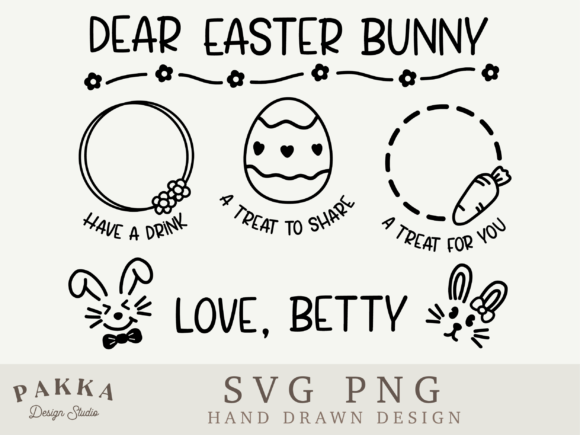
From the moment I opened the file, the mood of Bunny Plate Svg Easter Tray Svg felt distinctly festive yet grounded. It isn't trying to be a complex masterpiece; instead, it leans into the charm of a classic holiday centerpiece. The layout suggests a plate or tray shape, which immediately signals utility. For a crafter or small business owner, this is a crucial detail. Designs that mimic functional objects often translate better to real-world items like kitchen towels, aprons, or tote bags because they fit the context of the user's life.
The visual personality is clean and approachable. In the world of machine embroidery design, simplicity is often the key to success. If a design is too cluttered, it risks losing definition when stitched. This file appears to balance the whimsical nature of a bunny with the structural lines of a plate, creating a composition that feels balanced. It screams "spring" without being overwhelming, making it a versatile asset for seasonal collections.
Real-World Application: From Screen to Stitch
Let's talk about where this design would actually shine. I recently considered using Bunny Plate Svg Easter Tray Svg for a custom order of personalized baby bibs. The concept was simple: a cute bunny sitting on a decorative plate, embroidered on soft organic cotton. Because the design likely features clear outlines, it would work beautifully as a combination of satin stitch for the borders and fill stitch for the main body of the bunny.
Imagine a boutique shop owner preparing for the Easter rush. They need products that customers can grab off the shelf and recognize instantly. An embroidered patch featuring this design could be sewn onto denim jackets, adding a playful touch to adult apparel. Alternatively, stitching it onto a tea towel creates a perfect personalized gift for a hostess. The versatility here is significant. Whether you are an Etsy seller looking to boost your holiday listings or a hobbyist making gifts for family, the design fits naturally into categories like kitchen decor, apparel, and home accents.
I also envision this working well on a cap or hat, provided the hoop size allows for the curvature. The central placement of a plate motif often works well on chest pockets or front panels of sweatshirts. It adds a layer of professionalism to what might otherwise be a generic holiday item. When done right, these details elevate a small shop product from mass-produced to artisanal.
Where to Exercise Caution
However, every designer knows that not every file is a silver bullet. There are specific scenarios where Bunny Plate Svg Easter Tray Svg might require extra attention or even a redesign. If you plan to use this on a very small hoop size, such as a 4x4 inch frame, you must inspect the fine details closely. Tiny curves or intricate inner lines might get lost in the fabric texture if the stitch density is too high.
Textured fabrics present another challenge. If you are embroidering this on a heavy waffle-knit towel or a rough linen, the design might not lay flat. The stabilizer choice becomes critical here. Without the right backing, the tension could distort the image, turning a cute bunny into a misshapen blob. Similarly, stretchy fabrics like jersey t-shirts require careful handling. While the design itself might be fine, the fabric movement during stitching can cause puckering if the tension isn't perfectly calibrated.
Dark fabrics are another consideration. Unless you are planning to use a heavy underlay or a contrasting thread palette, the details might get swallowed by the background color. Always test your thread colors against the fabric before committing to a full production run. Additionally, if the design includes tiny lettering or very thin lines, avoid using it on curved surfaces like caps unless you have a specialized cap frame and experience with curved embroidery.
Visual Appeal and Product Value
The ultimate goal of any embroidery project is to create something that brings value to the customer. Bunny Plate Svg Easter Tray Svg contributes positively to the perceived value of a finished item. A well-executed design shows care and attention to detail, which builds trust with buyers. When a customer sees a crisp, clean embroidery on a tote bag or pillow cover, they perceive the item as higher quality than a printed version.
This design supports brand consistency for creative entrepreneurs. By using a cohesive theme across different products—say, matching a mug design with a matching tote bag—you create a recognizable aesthetic. The "Bunny Plate" concept is strong enough to anchor a collection. It helps in marketing as well; a clear, thematic design makes it easier to create printable mockups that attract clicks and sales.
Practical Notes for the Designer
Before you jump into production, there are a few non-negotiable steps. First, always test the design on scrap fabric. This is the only way to verify how the stitch density interacts with your specific machine and thread. You need to ensure that the running stitch areas aren't too loose and that the satin stitch columns are tight enough to cover the fabric but not so tight that they pull.
Check the file formats carefully. The description mentions SVG and PNG, which are standard for Cricut and other cutting machines, but for true machine embroidery, you need the specific .dst, .pes, or .exp files compatible with your machine. If you are using a converter, ensure the conversion process hasn't distorted the vector paths. Review the hoop size requirements listed in the product details to ensure your machine can accommodate the design dimensions.
Don't forget to inspect the licensing terms. If you intend to sell finished items made with this design, confirm that the commercial license allows for this. Some designs are for personal use only. Also, consider the durability. Will the embroidery hold up after multiple washes? Using proper stabilizers and high-quality threads will make a huge difference in the longevity of the finished product.
In conclusion, Bunny Plate Svg Easter Tray Svg from Pakka Design Studio offers a solid foundation for spring-themed crafting. It strikes a nice balance between cuteness and structure, making it suitable for a wide range of applications from baby clothes to boutique merchandise. With the right preparation and testing, it can become a staple in your library of design assets. Just remember that the magic happens in the execution, so take the time to test, adjust, and refine before you start selling.